Tables, lakes, and the architecture that connects them.
Data
Every system a business runs depends on data: where it is stored, how quickly it can be reached, and what it costs to keep and move. This section explains how modern data infrastructure fits together and what to consider before committing to it.
We cover databases, cloud platforms, storage hardware, and the pricing details that shape long-term budgets, including egress fees that rarely appear in the first quote. If you are choosing between database types, comparing cloud providers, planning a migration, or trying to understand why a bill keeps growing, you will find clear answers here.
The basics
What it is
Data is the record of what happens in a business: orders, sensor readings, messages, clicks. It is stored so it can be found and used later.
How it is stored, organised and moved decides how useful it becomes.
The timing
Why it matters now
Most organisations collect far more than they can use. Data only helps when people can find it, trust it and afford to move it.
Storing data is cheap to start with.
Moving it between systems and keeping it consistent can become the larger cost.
The building blocks
The main parts
DatabasesHold structured records and answer questions quickly.
Data warehousesOrganise information for reporting and analysis.
Data lakesHold raw data of any shape, to be sorted later.
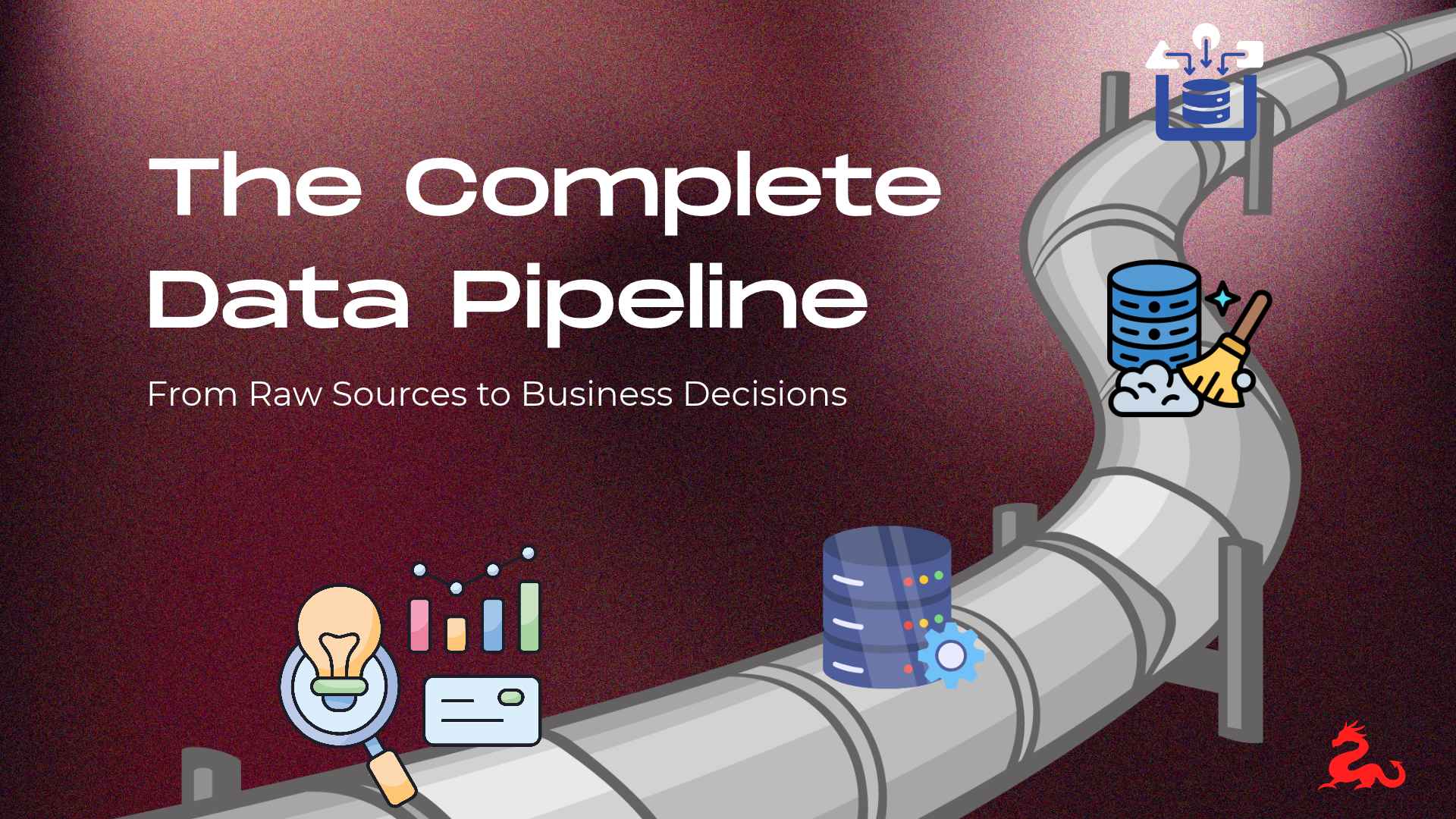
PipelinesMove and clean data between places.
Storage hardwareSets the limits on speed, capacity and cost.
From the field
What we’ve seen
Teams often choose where to keep their data first and only later discover what it costs to take it out again. The ones who map how data will travel before they build rarely face a surprise bill.
Recent
The latest research and analysis we have published on this topic.
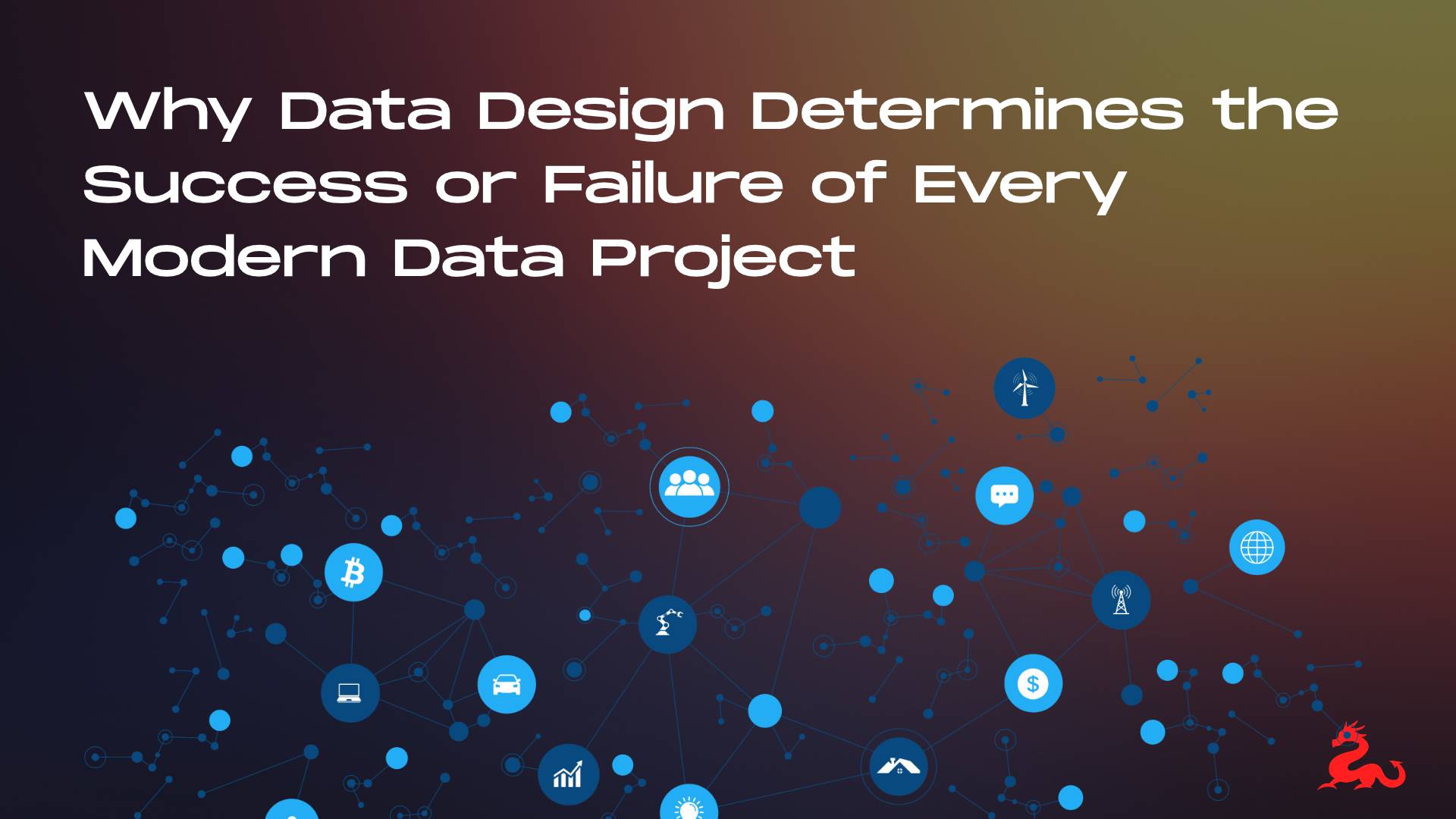
Running relational, NoSQL, vector and graph stores side by side turns data synchronisation into the main engineering problem. Why it happens, and how one SQL surface fixes it.
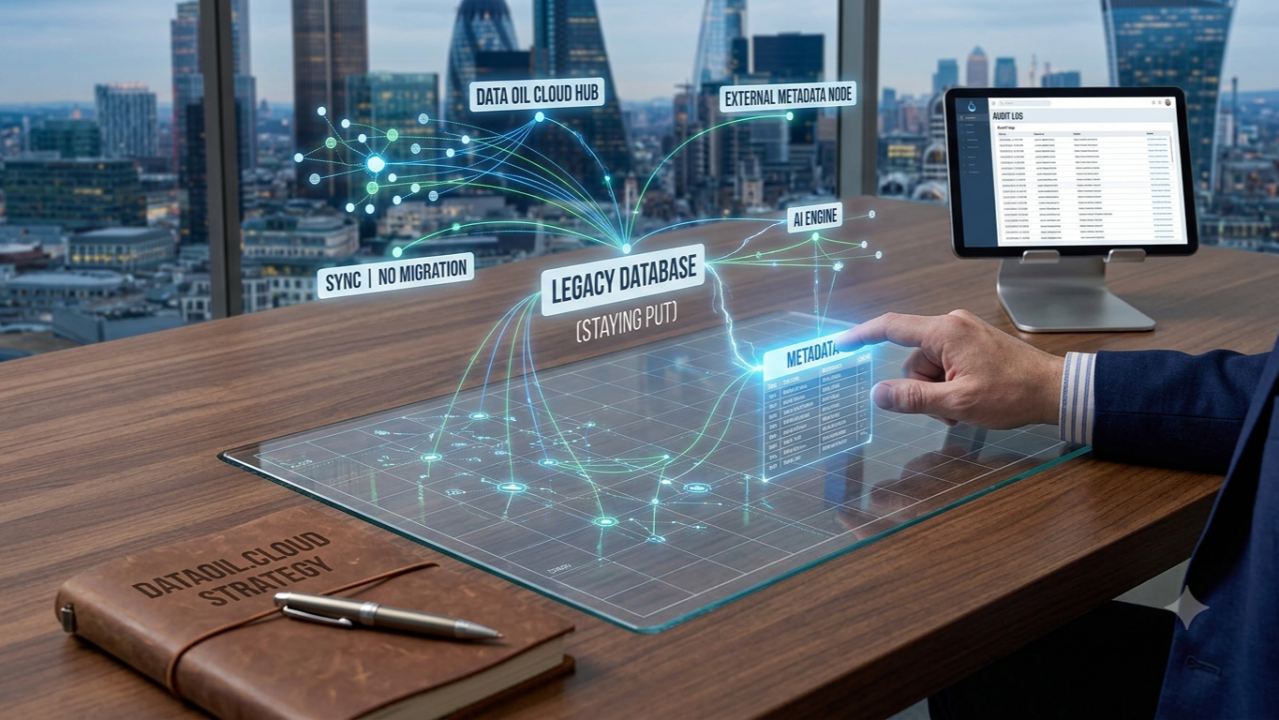
Data migrations are high-risk and expensive. How an external metadata layer delivers modern analytics and AI readiness without touching your existing database.
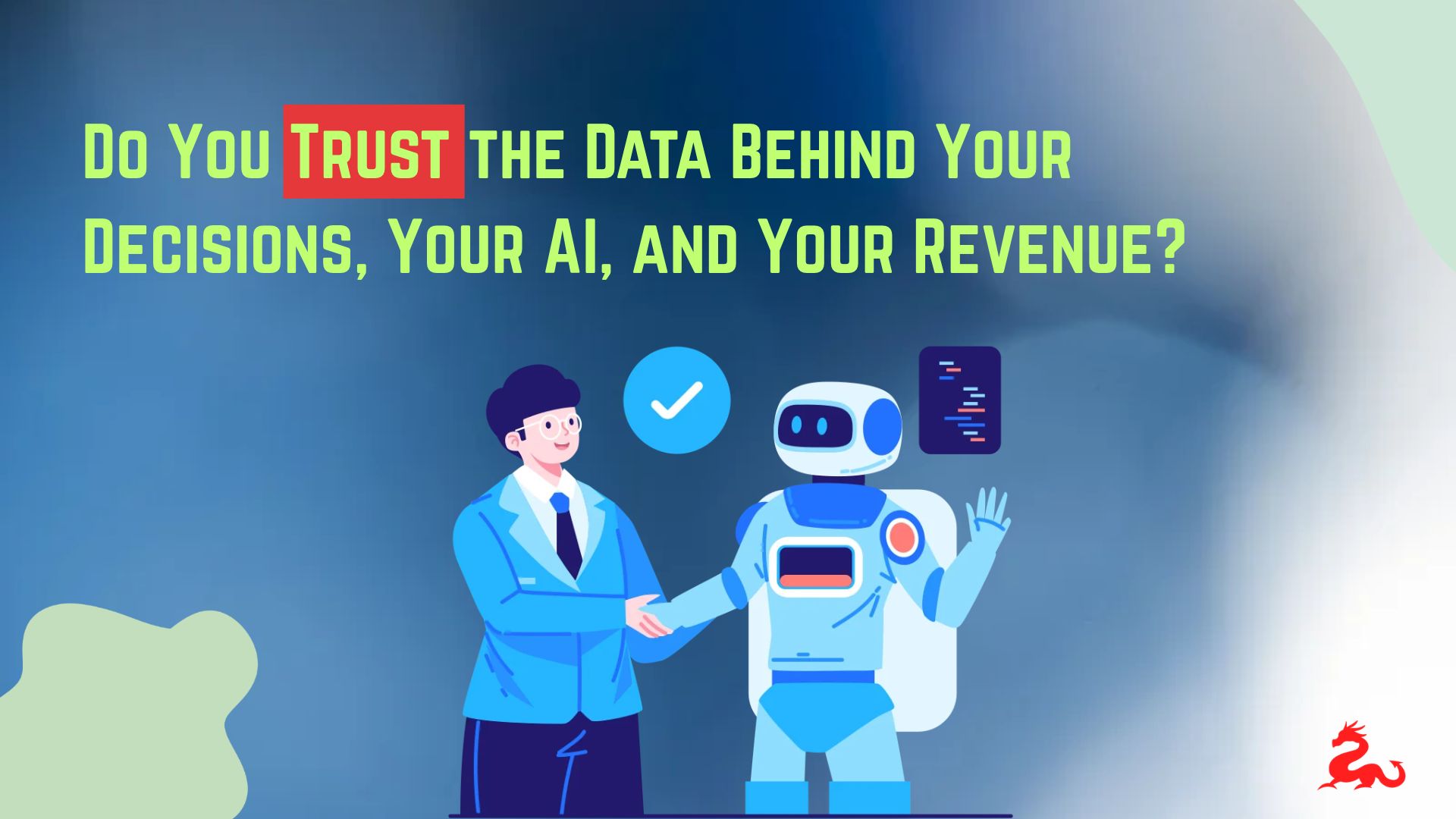
AI now drives decisions across the enterprise, yet most organisations don't trust the data behind them. Why data failures, not model failures, are the real risk.
How we work
How we approach it
We design where the data will live and how it will move before anything is built on top of it.
01
Decide where it lives
Choose a home for each dataset before anything is built on top of it.
02
Map how it moves
Plan how data travels between systems, and what each move will cost.
03
Give it an owner
Every dataset gets a clear owner and a written description of what it holds.
04
Plan the way out
Leaving a system is planned as carefully as entering it, so no choice becomes permanent by accident.
Deciding where your data should live, or what it will cost to move? We can map its journey before you commit.