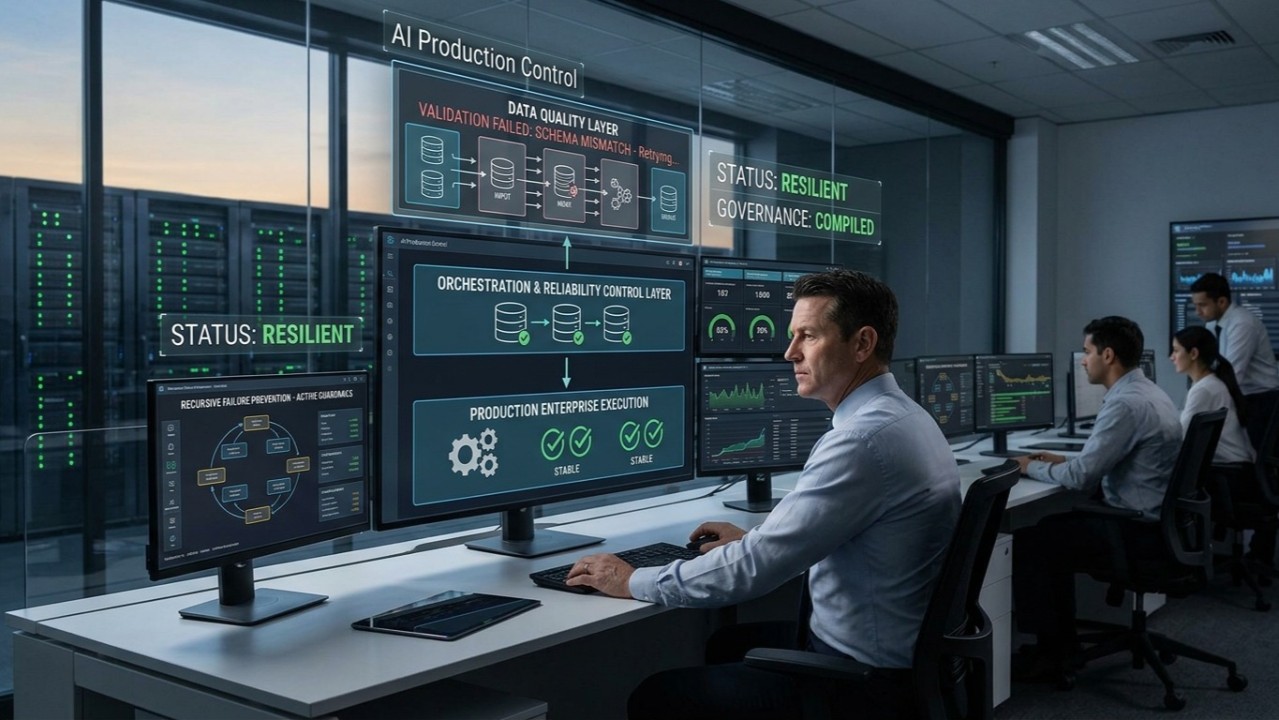
Moving AI from Sandbox to System: Architecting for High-Performance Enterprise Production
The bottleneck isn't a smarter model; it's the resilient architecture needed to run AI safely, predictably and cost-effectively in enterprise production.
Where algorithms meet accountability.
Artificial intelligence is now part of everyday business; from the tools your team uses to the systems running behind the scenes. This section explains what AI can do today, where its limits sit, and what it takes to put it into production.
We cover AI agents, large language models, machine learning, vector search, and detection systems, and examine how each one performs under real operating conditions. If you are deciding whether to adopt AI, how to choose between approaches, or which risks to plan for, you will find clear answers here.
The basics
Artificial intelligence is software that learns patterns from examples instead of following a fixed list of rules. Show it enough cases and it can sort, predict, summarise or create new results on its own.
You already meet it in spam filters, search results, voice assistants and the suggestions that appear as you type.
The timing
Models have grown capable and computing has become affordable enough that jobs once out of reach are now routine: reading long documents, spotting objects in video, answering questions in everyday language.
The building blocks
From the field
A model that shines in a demo often stumbles once real data arrives, because real data is messier than the sample it was tested on. Projects that plan a human review step from the start reach production sooner than those chasing a perfect model first.
The latest research and analysis we have published on this topic.
The bottleneck isn't a smarter model; it's the resilient architecture needed to run AI safely, predictably and cost-effectively in enterprise production.
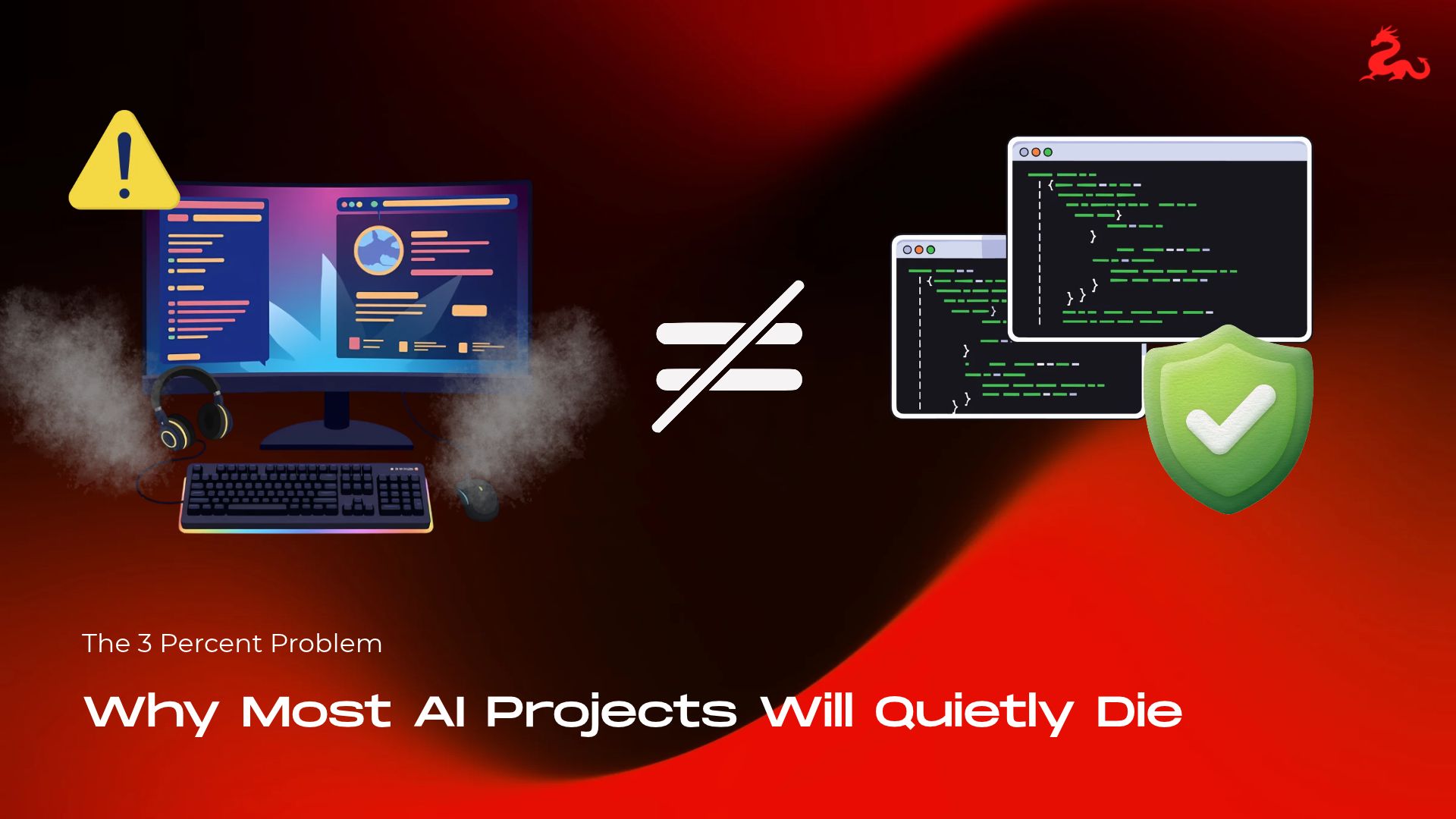
Most AI projects fail not because the models lack sophistication, but because the underlying infrastructure is too fragile for a sustained enterprise workload.
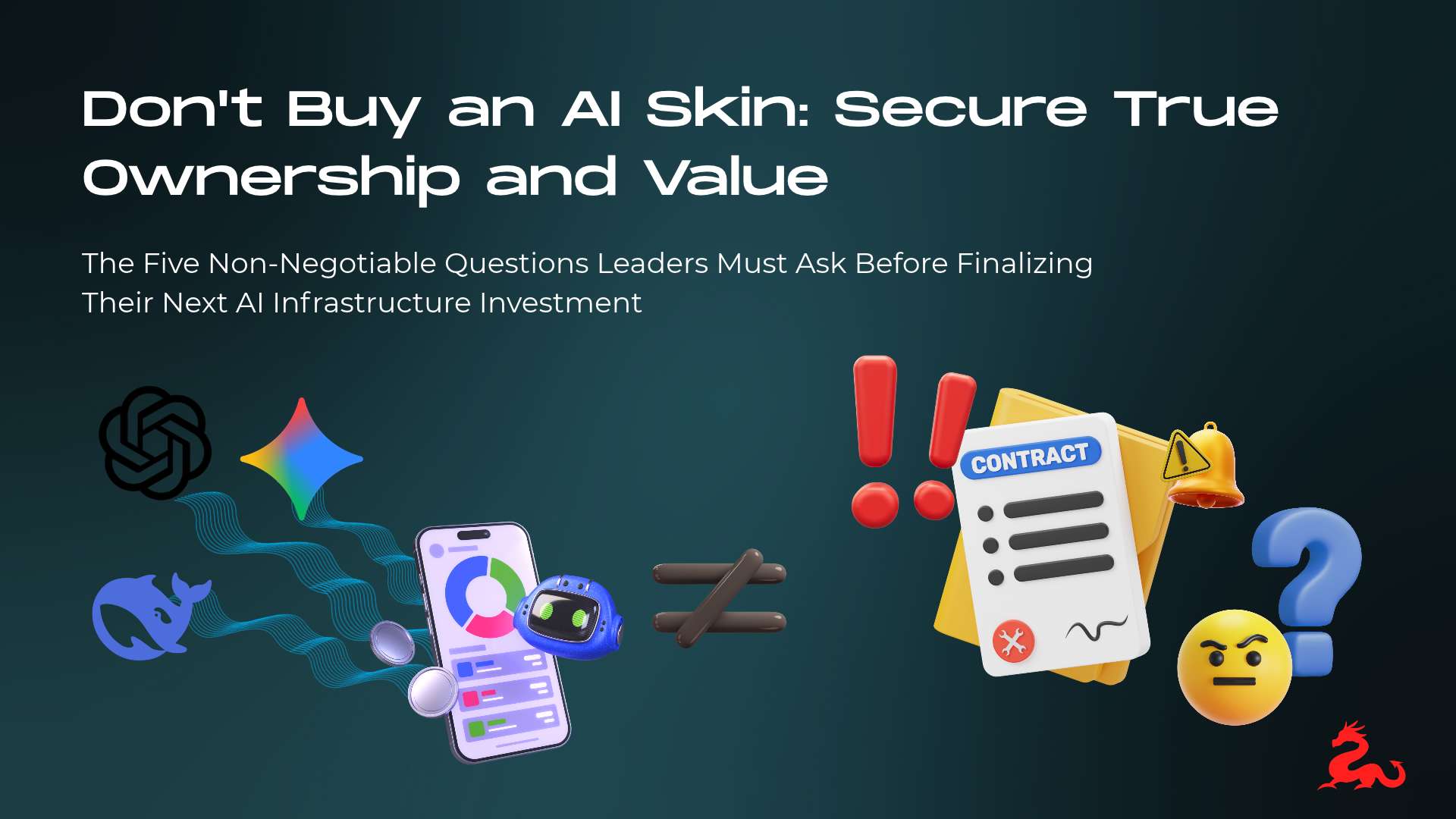
Most organisations buying AI are buying skins: interfaces built on models they do not own. Five questions to ask before investing to secure true ownership.
Start here: core concepts and explainers that give you a solid footing in the topic.
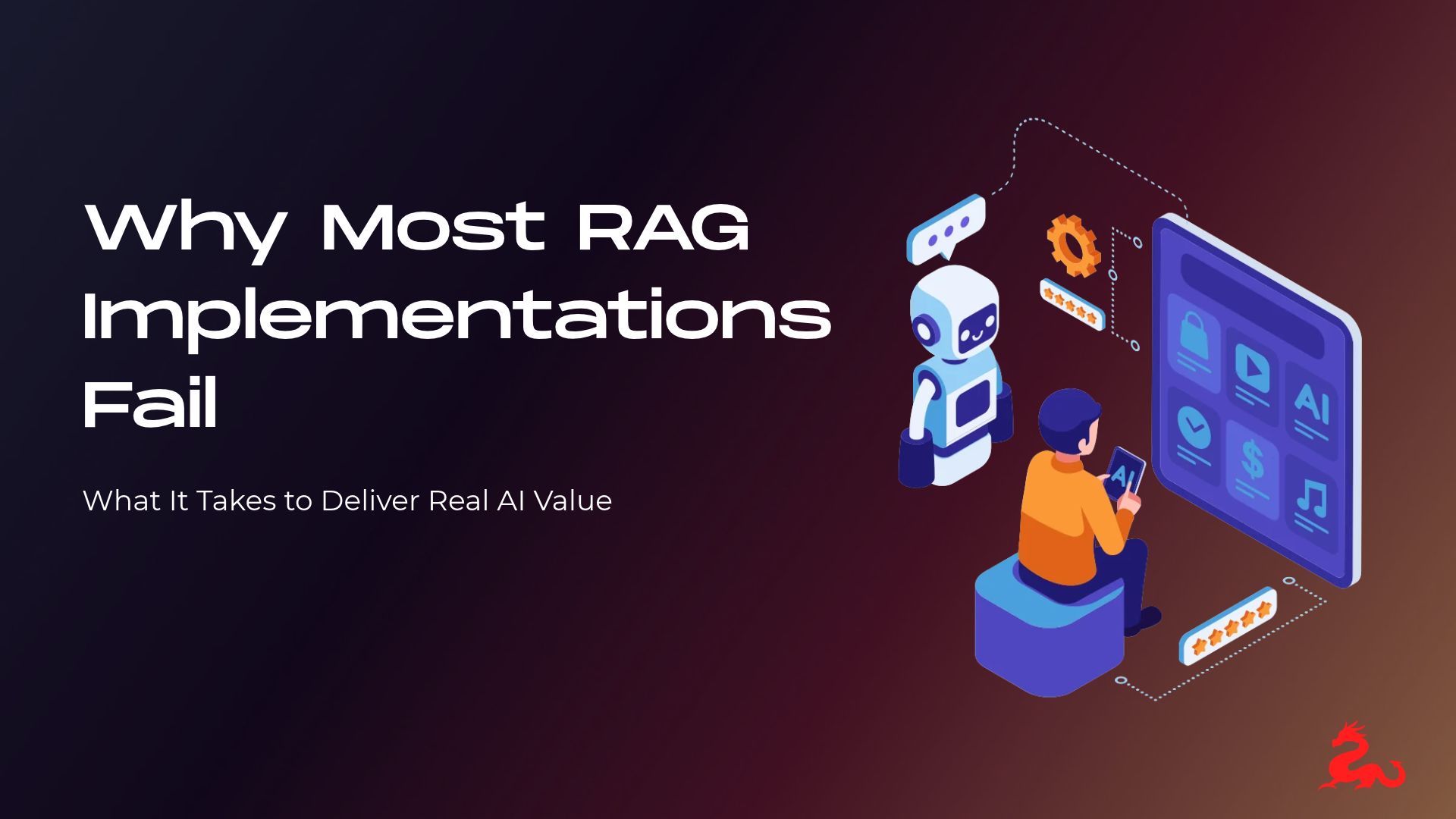
RAG was hailed as the antidote to hallucinations, but in practice most implementations fail to deliver. Why it happens, and what actually works.
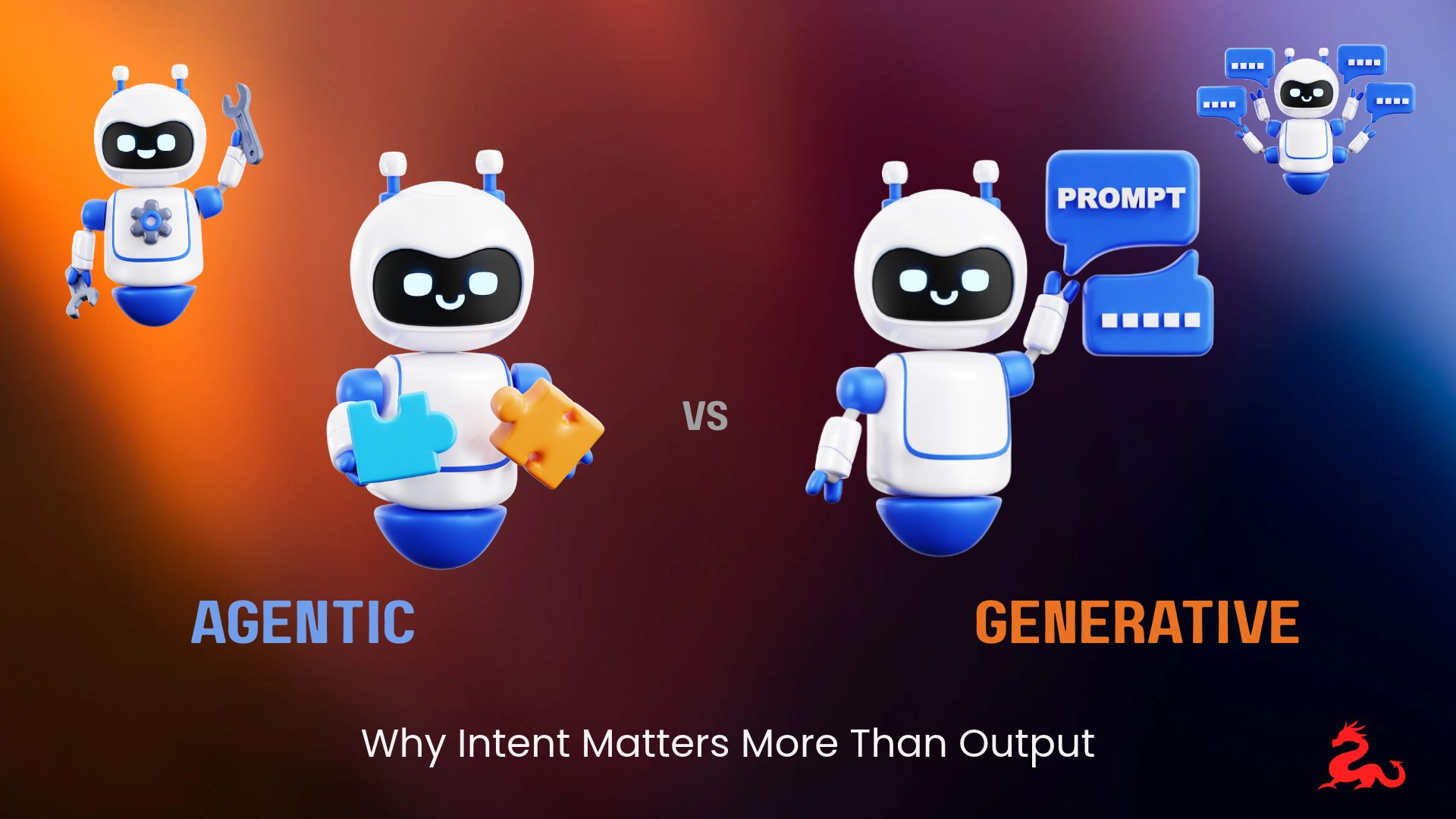
Generative AI creates content; agentic AI acts with intent and autonomy. Why the difference matters for platforms, investment and enterprise strategy.
How we work
We start with how the result will be checked, before we choose a model.
Agree how a result will be judged right or wrong before any model is chosen.
Every system lets a person see why it gave an answer, and correct it.
Messy, real data is where most surprises live, so we meet it first.
That is when the system meets conditions nobody planned for.
Weighing up an AI project? We can help you work out how its results will be checked before anything is built.
Talk to us