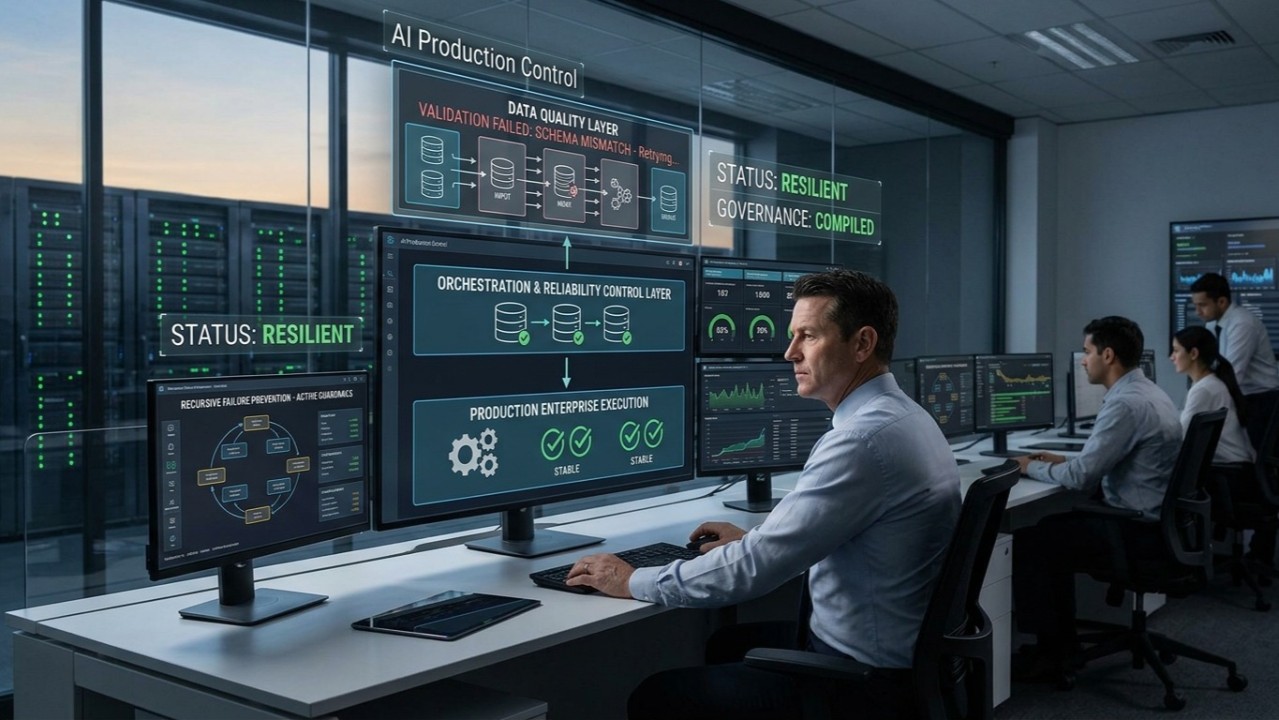
Moving AI from Sandbox to System: Architecting for High-Performance Enterprise Production
The bottleneck isn't a smarter model; it's the resilient architecture needed to run AI safely, predictably and cost-effectively in enterprise production.
Resource hub
In-depth guides and explainers across every topic we cover. Jump to a topic below, or browse all topics.
The bottleneck isn't a smarter model; it's the resilient architecture needed to run AI safely, predictably and cost-effectively in enterprise production.
Most AI projects fail not because the models lack sophistication, but because the underlying infrastructure is too fragile for a sustained enterprise workload.
Most organisations buying AI are buying skins: interfaces built on models they do not own. Five questions to ask before investing to secure true ownership.
RAG was hailed as the antidote to hallucinations, but in practice most implementations fail to deliver. Why it happens, and what actually works.
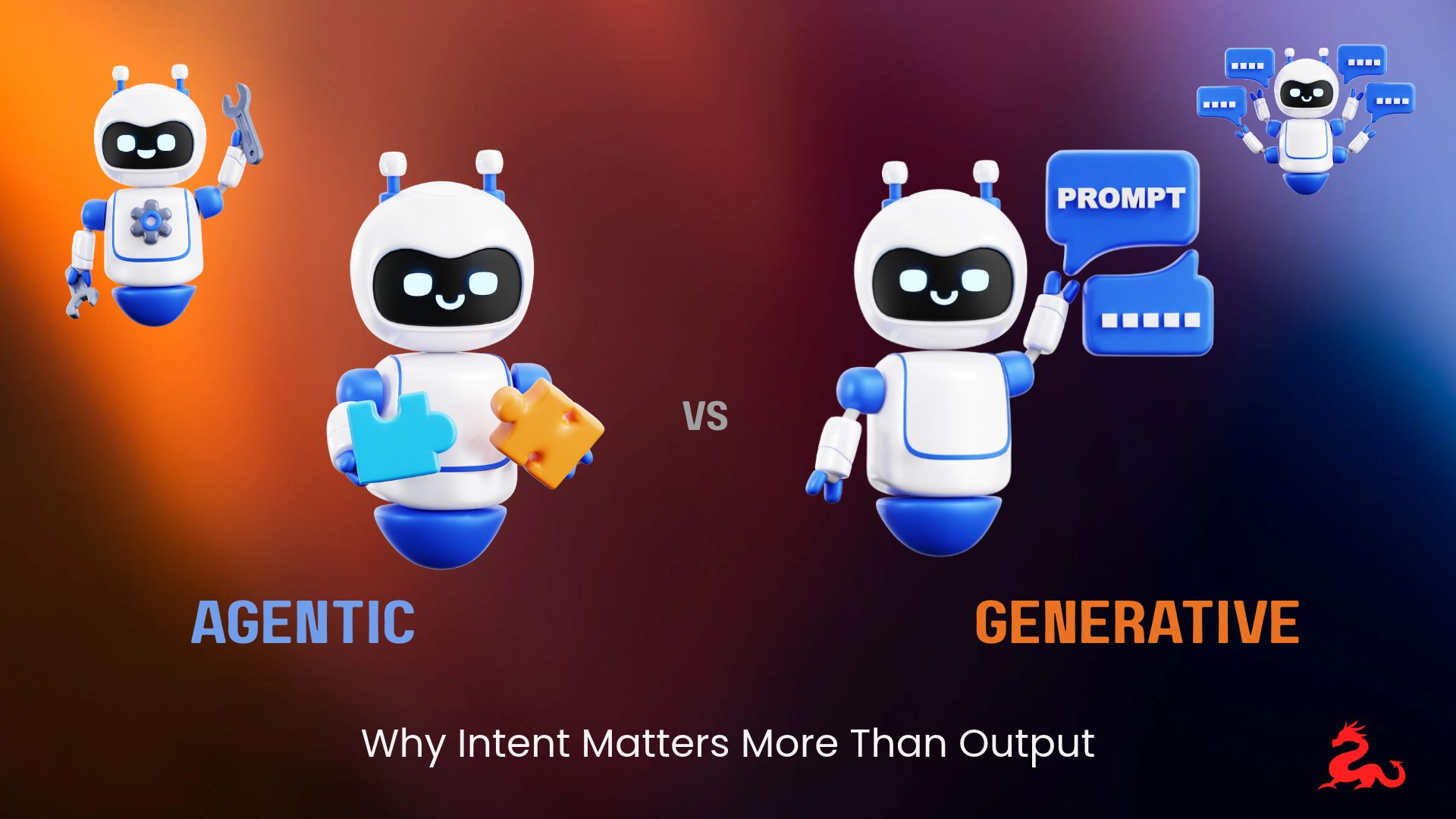
Generative AI creates content; agentic AI acts with intent and autonomy. Why the difference matters for platforms, investment and enterprise strategy.
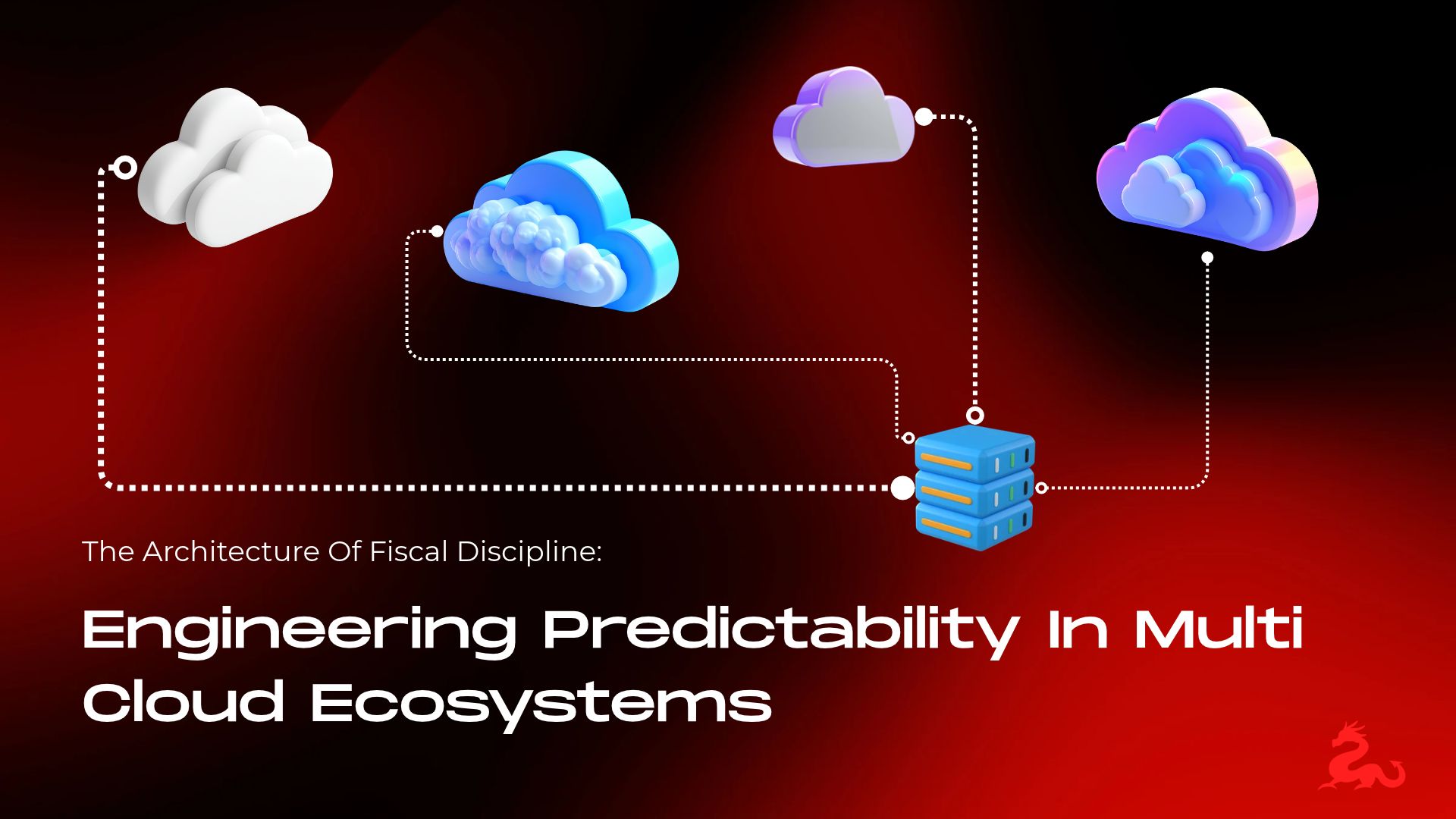
Cloud cost overruns are an architecture problem, not a finance one. Three real-world failures, a load balancing pattern that cut compute spend by 35 per cent, and a 30-day plan for predictability.
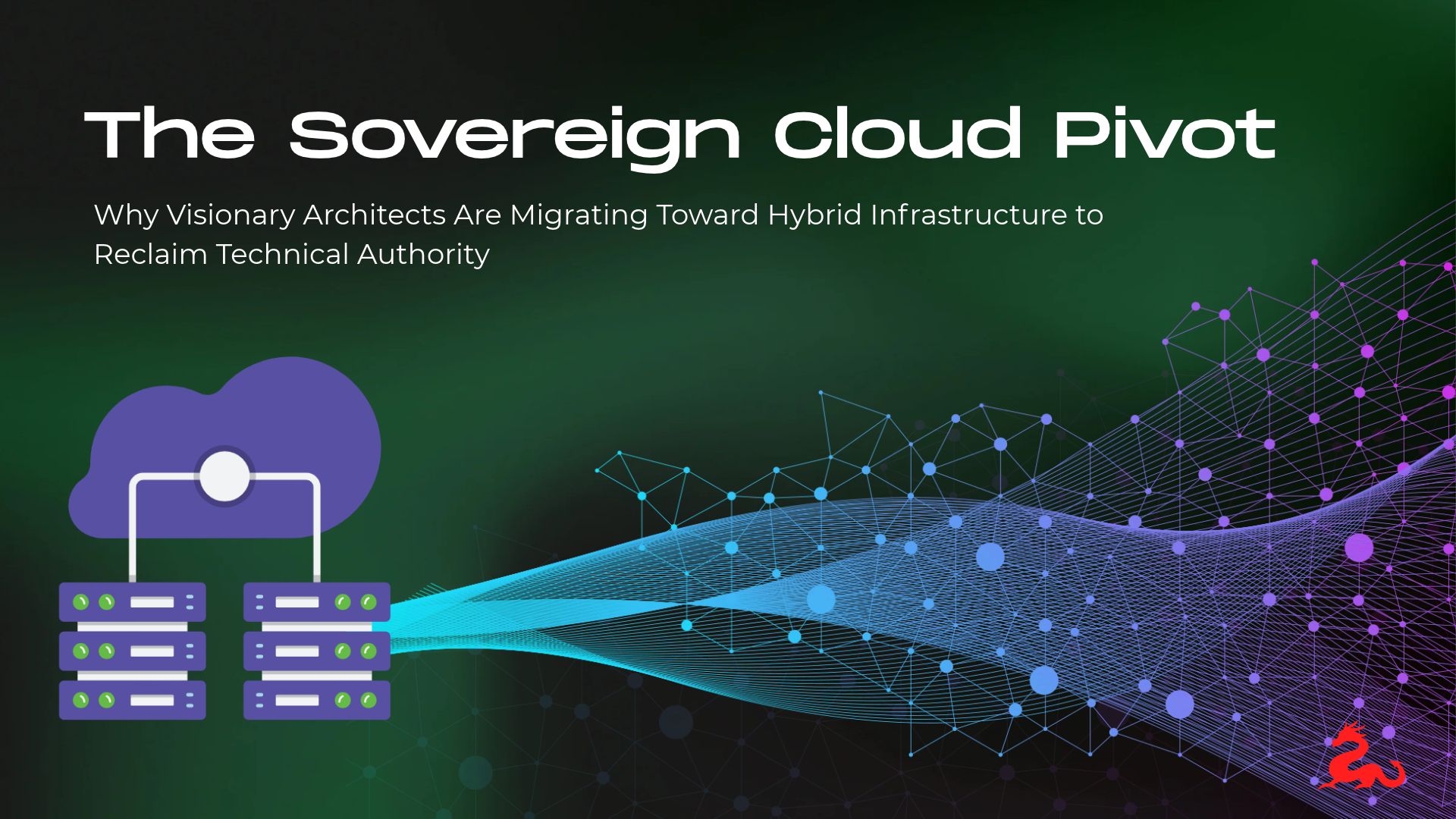
After a decade of cloud centralisation, technical leaders are moving to hybrid infrastructure to regain control of cost, data sovereignty and performance. Why the shift matters now.
Recent Azure and AWS outages show that no cloud provider is immune to failure. How abstraction and a “RAID for the cloud” mindset keep systems running when a provider falters.
Hybrid cloud blends the scale of public cloud with the control of private infrastructure. Why it is gaining ground, two real-world examples, and five practical steps to get started.

A worked example of calculating cloud costs: separating transactional and fixed costs, adding up the total cost of ownership, and seeing what traffic growth does to the bill.

Running relational, NoSQL, vector and graph stores side by side turns data synchronisation into the main engineering problem. Why it happens, and how one SQL surface fixes it.

Data migrations are high-risk and expensive. How an external metadata layer delivers modern analytics and AI readiness without touching your existing database.
Most data projects fail because the data was never designed with intention. Why data design is the foundation for scale, trust and long-term value.
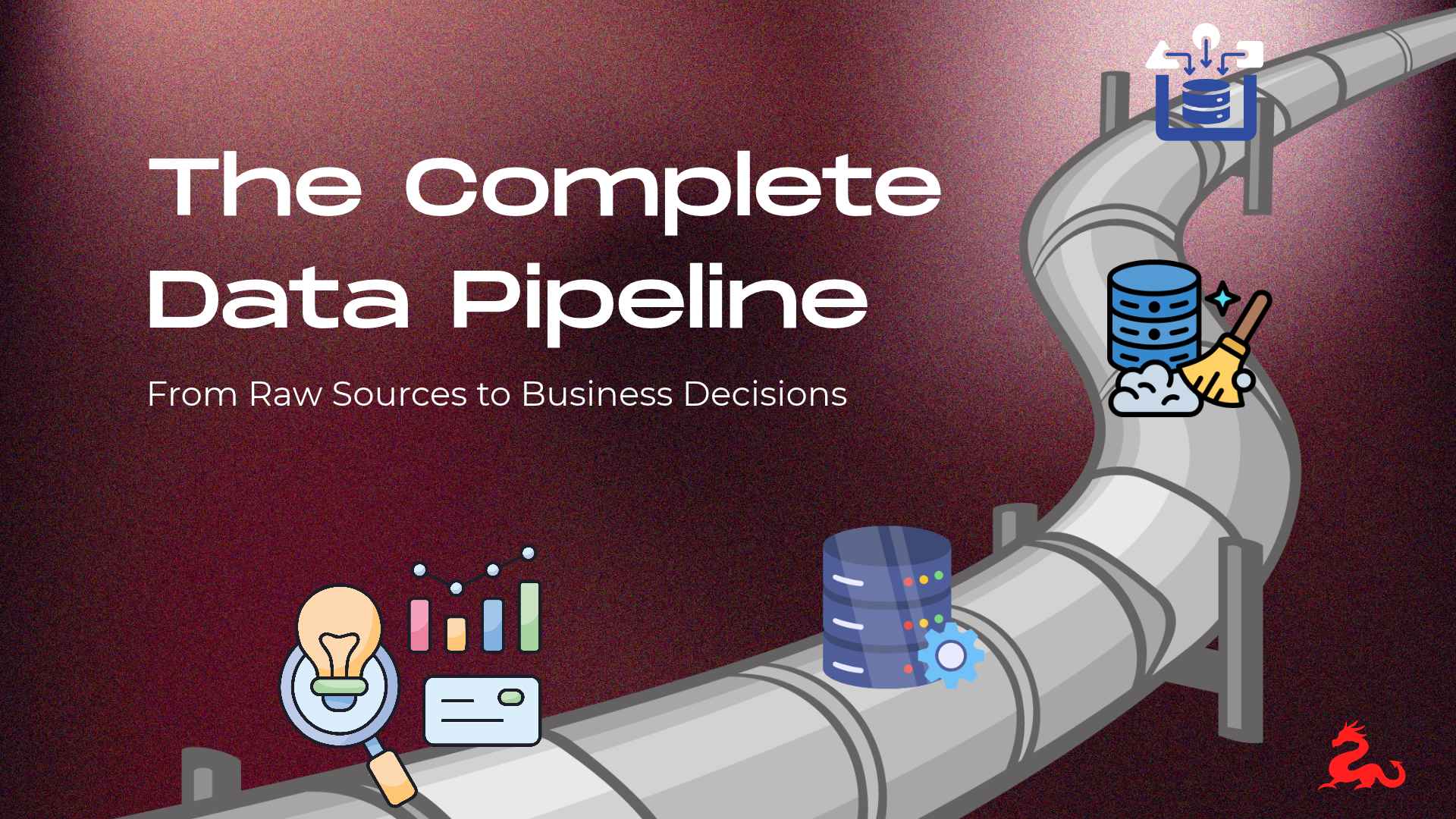
A step-by-step look at the complete data pipeline, from raw sources to business decisions, and the roles that make each stage work.
AI now drives decisions across the enterprise, yet most organisations don't trust the data behind them. Why data failures, not model failures, are the real risk.
Agentic AI fails in ways traditional monitoring misses. Three real-world failures, how a preventative monitoring layer caught them, and a 30-day plan to build one.
Edge computing is proven and delivering results. Three case studies from retail, manufacturing and healthcare, and the steps to run your own edge pilot within 30 days.
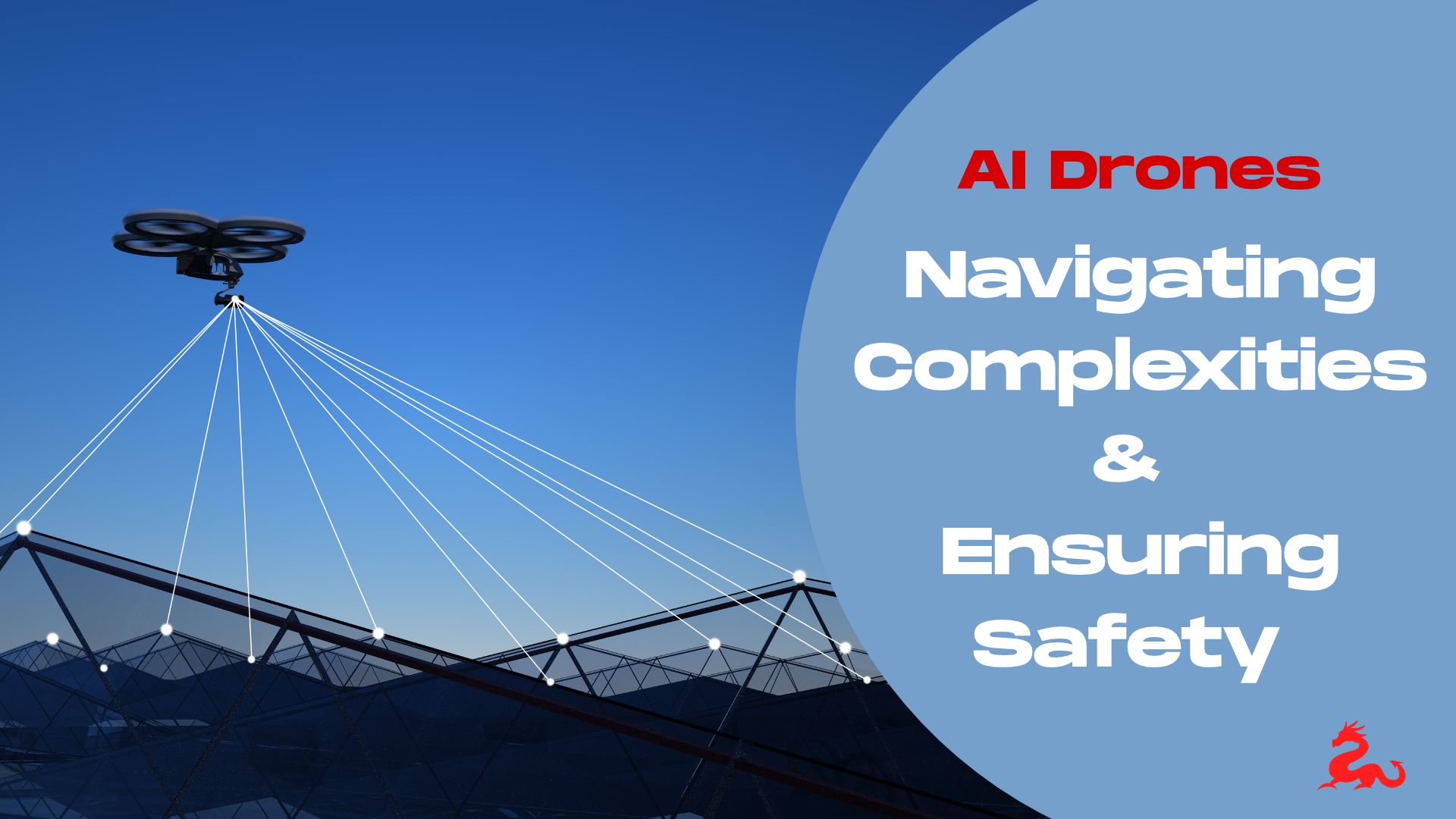
Independent AI controllers are taking on command, control and safety for autonomous drones. Real-life examples from disaster response, security and logistics, and the benefits for safe operations.
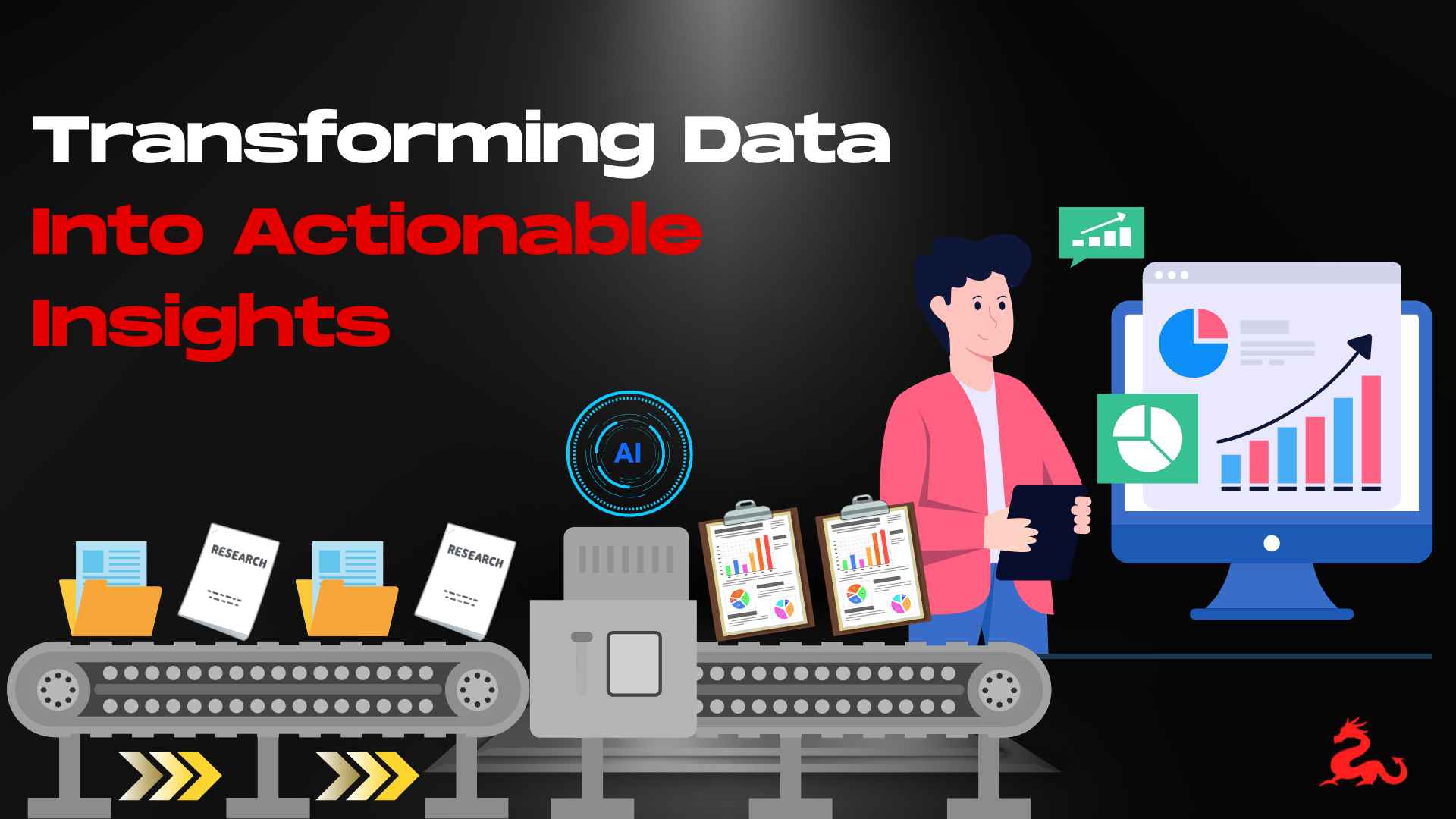
AI turns IoT devices from simple data collectors into decision-makers. How it changes devices and data processing, and where AI-driven IoT is already at work across industries.
Combining AI with IoT turns maintenance from reactive to proactive. The benefits for efficiency, cost and safety, the role of skilled people, and what organisations need to get started.
Distributed AI compute makes perimeter security obsolete. How zero trust protects AI clusters, three real-world cases, and a 30-day plan to put it in place.
Organisations are giving AI agents access they would never give a stranger. Three costly failures, and a 30-day plan to put access controls, authentication and audit trails back in place.
AI lets teams ship code faster than they can understand it. Three case studies of what goes wrong, and a 30-day plan to add human validation, data contracts and security scanning.
AI widens the attack surface in ways traditional security misses. Three case studies of confidential computing and zero trust in practice, and a 30-day plan to secure your AI workloads.
AI-powered bots have widened the threat landscape. What cybersecurity procedures cover, how penetration testing validates them, and why they matter more as attacks get smarter.